Expert Maximizing ROI to Boost Home Value
Revitalize Your Property: Essential Facts About Home Remodeling Services for Every Homeowner
Many householders want to find methods to enhance their living spaces through home improvement projects. These projects can range starting with kitchen improvements to entire residential overhauls. Knowing the choices accessible is essential for making informed decisions. Moreover, one must consider tangible aspects like budgeting and contractor selection. As householders start this endeavor, they may run into unforeseen difficulties. Achieving a successful makeover lies in careful planning and performance. What should be done subsequently?
Knowing the Various Categories of House Improvement Projects

As householders look to improve their residences, they typically find a variety of remodeling services tailored to different needs and preferences. These options can be widely classified into several types, all dealing with certain elements of residential enhancement. Kitchen renovations center on modernizing fixtures, storage units, and the design to improve usability and aesthetics. Renovating the bathroom usually includes updating the hardware, the ceramic work, and shelving options for better convenience and style.
Whole-home remodeling encompasses major alterations across the property, sometimes requiring major structural work to make the most of the space and flow. Outdoor renovation projects, conversely, concentrate on enhancing the home's outward appearance, addressing siding, roofing, and landscaping. Additionally, specialized services such as completing the basement and loft remodeling enable property owners to utilize fully unused areas. Every renovation category delivers specific perks, letting residents pick services that fit their desired outcome for their living environment. Grasping these differences is crucial to making informed decisions throughout the remodeling project.
Creating an Attainable Financial Limit for Your Remodeling Project
How do property owners make certain their renovation work stays within budget? Establishing a realistic budget is essential. Homeowners should begin by determining their fiscal limits, like savings and available loan choices. This initial step allows one to figure out the funds available for the renovation while maintaining other fiscal obligations.
Next, homeowners must look into the financial requirements of their intended changes, taking into account materials, labor, and unexpected costs that frequently occur. Creating a detailed list of priorities helps with identifying must-haves versus nice-to-haves, making it possible to adjust if funds become limited.
It is smart to incorporate a reserve fund, usually about 10-20% of the overall cost, to handle unforeseen expenses. Regularly reviewing and adjusting the budget during the renovation project can also help maintain financial control. Ultimately, a well-planned budget ensures the project is feasible but also enhances the overall remodeling experience for those living in the home.
Finding the Best Contractor for Your Requirements.
Finding a suitable builder has a major influence on the outcome of an updating effort. Homeowners should begin by performing extensive investigation, seeking recommendations from friends, family, or online reviews. It is essential to confirm documentation, including licenses, insurance, and bonding, to establish credibility.
After suitable professionals have been found, homeowners should request detailed estimates and timelines, facilitating well-grounded side-by-side evaluations. Interviews provide insight into communication styles and professionalism, which are crucial for working together effectively.
Furthermore, examining previous work via portfolios or referrals shows the builder's standard of work. Homeowners should also inquire about warranties or guarantees, which shows the professional's belief in their output.
Ultimately, selecting a contractor who aligns with the homeowner’s vision, budget, and timeline fosters a more positive remodeling experience, making certain the outcome satisfies needs and transforms the living space effectively.
Planning and Designing Your Ideal Space.
When property owners picture their perfect areas, thorough preparation and well-considered layout are crucial elements of a triumphant renovation effort. The initial phase includes assessing present requirements and long-term goals, to gain a complete comprehension of the area's utility. Homeowners should consider functionality, visual appeal, and personal style, making sure the design captures their unique preferences.
Next, establishing a thorough budget is crucial. This budget should cover supplies, workforce costs, and potential unforeseen expenses. Hiring professional designers can give meaningful advice, aiding in maximizing the area while sticking to budgetary constraints.
Incorporating elements like natural light, spacious designs, and sustainable materials can elevate the living environment. Lastly, visualizing the project through sketches or digital renderings can help perfect concepts before starting the work. When handling the initial design phase deliberately, homeowners can design a welcoming, practical area tailored to their lifestyle.
Understanding Regulations and Permits in Residential Projects
Familiarizing oneself with the red tape and requirements can be intimidating for homeowners beginning a home improvement project. Each municipality has specific rules that determine what is allowed during renovations, often influenced explore by zoning laws, building codes, and safety standards. Homeowners must familiarize themselves with local regulations to prevent expensive penalties or setbacks in the timeline.
Typically, obtaining permits is crucial for significant alterations, such as structural changes or new wiring installations. This process frequently requires submitting blueprints for approval and may require inspections at different phases.
Working with a skilled professional can simplify this process, as they are typically experts in municipal rules and can aid in filing necessary forms. It is important for homeowners to communicate regularly with the city's regulatory body to guarantee compliance throughout the project. By understanding and maneuvering through these requirements, homeowners can meet their renovation objectives while ensuring safety and legality in their renovations.
Common Queries
How Long Does a Typical Home Remodeling Project Take?
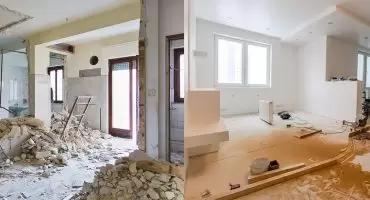
A typical home remodeling project usually takes three to six months on average, contingent upon the extent of the project, size of the home, and availability of materials. Intricate jobs could demand more time for completion.
What's the best way to avoid common mistakes to avoid during remodeling?
Typical pitfalls during remodeling often involve failing to budget properly, not securing the required permissions, missing scheduled deadlines, not maintaining clear communication with the construction team, and not considering long-term functionality. Knowing these potential problems helps ensure a more efficient, more successful renovation project.
How do I choose the appropriate materials for my project?
Choosing the right materials requires assessing their resilience, the look and feel, and financial limits. Researching options, consulting professionals, and thinking about upkeep will significantly help in making informed decisions, to guarantee the project fits with personal and functional requirements.
Is it possible to stay in my house while the remodeling is happening?
It is possible to remain in their home while work is ongoing, but it could be uncomfortable. Detailed organization, maintaining open dialogue with your builders, and designating specific areas where you can live normally can lessen the stress during the process.
What guarantees should I look for by my builders?
Homeowners should expect warranties for the labor performed, the supplies used, and structural components, typically ranging from one to ten years. You must carefully check the exact provisions alongside your builders to clearly grasp what is covered and what is excluded.